
Find plants that fit
Use plant groups, growing goals, sunlight filters and the guided plant match to make a more useful shortlist.
Try the plant match
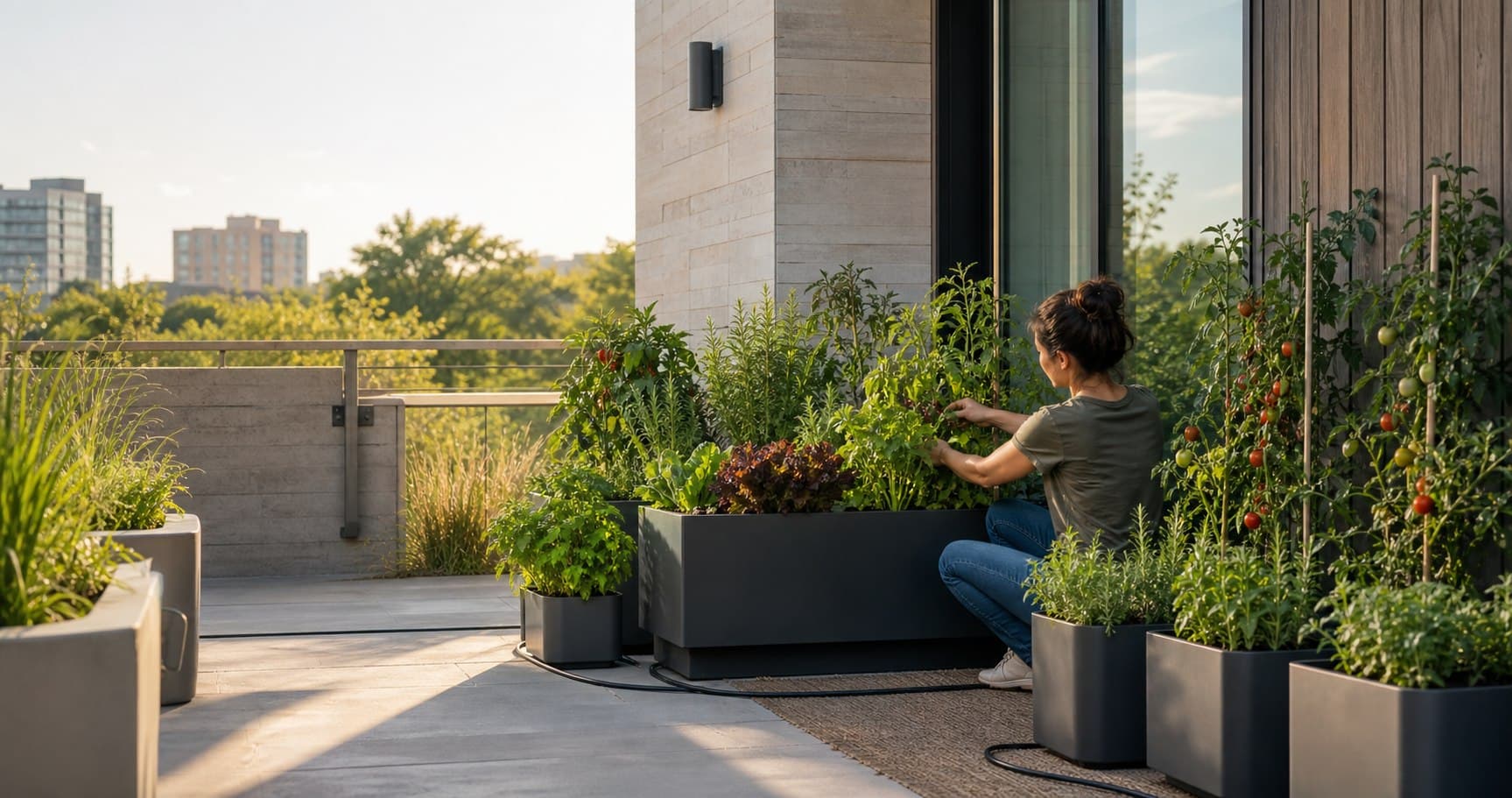 Conceptual pilot image
Shop edible plants selected for Central Texas, with clear order sizes, practical guidance and local delivery confirmed before you pay.
Browse visually, narrow the selection by your growing goal and submit a no-payment pre-order for MarketBrug to confirm.
Use plant groups, growing goals, sunlight filters and the guided plant match to make a more useful shortlist.
Try the plant matchFour-inch organic herbs and vegetables are sold by half-flat; one-gallon plants are sold individually by nursery pot.
Browse all plantsBuild a cart and submit your details. MarketBrug confirms stock and delivery, then sends a Square invoice.
See the order processEach path begins with a practical Central Texas growing need.
A visual, guided shop of supplier-grown culinary herbs, vegetable starts and edible perennial plants selected for Central Texas.
A compact patio-scale reservoir planter designed to reduce daily watering effort in Central Texas heat.
Young fruiting plants for customers who want a longer-term container-growing project.
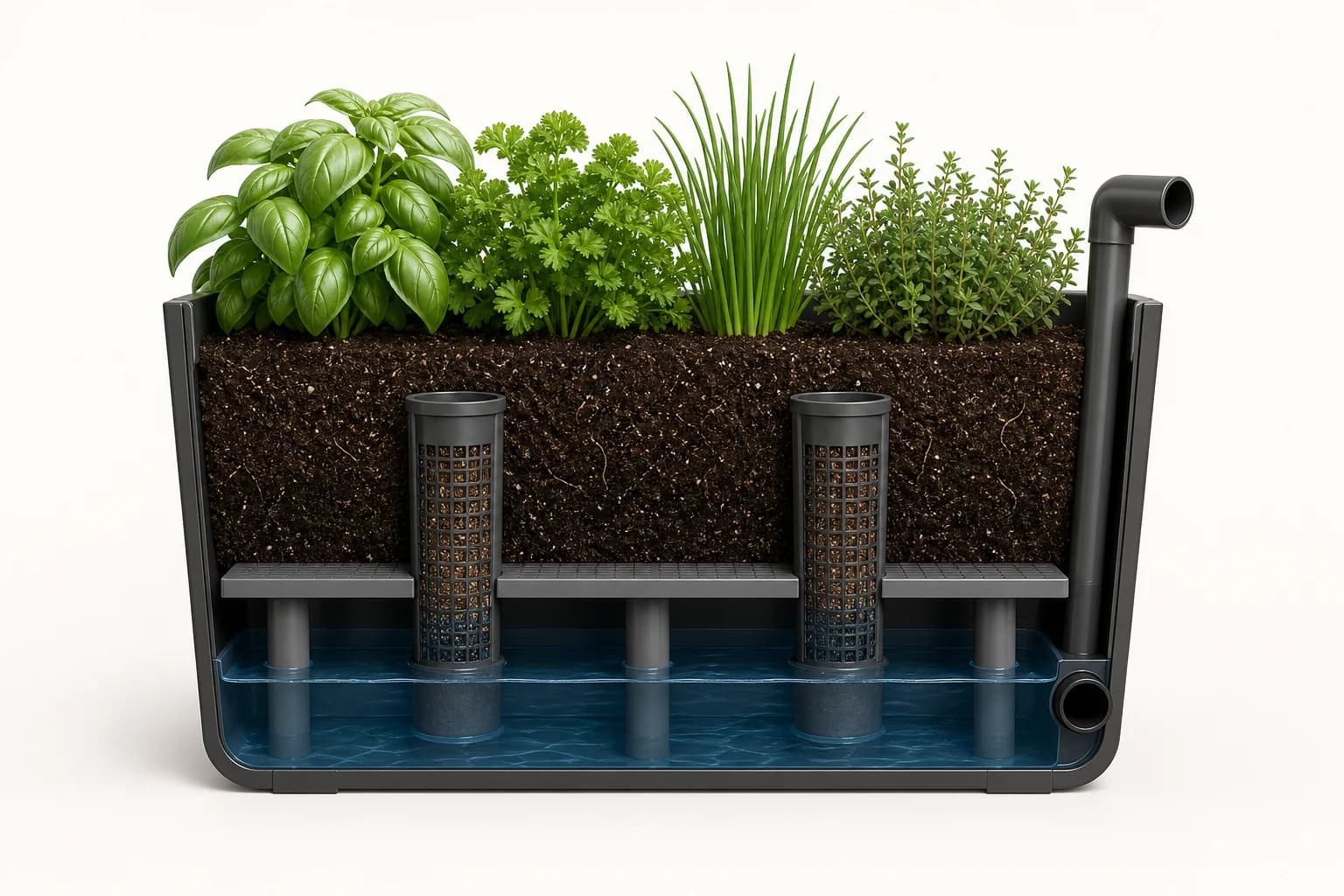 Conceptual illustration of Prototype 1
The prototype uses a water reservoir beneath a raised soil zone. Two wicking columns move moisture upward, while a fill tube and overflow opening make reservoir care practical.
The illustration explains the concept rather than publishing a DIY blueprint or promising performance.
Start with a coherent seasonal planting theme suited to the shared root zone, light and available space.
Store water beneath a raised soil zone instead of relying only on frequent surface watering.
Moist growing medium in the wicking columns draws water upward into the root zone.
A defined overflow level and air gap help keep the main growing zone from remaining flooded.
Track moisture, refill timing, heat response and plant compatibility before making performance claims.
Tested third-party sensors may provide soil-moisture, temperature and sunlight readings as operational indicators rather than laboratory measurements.
Certified third-party timers or controllers may run bounded watering schedules. Manual operation and clear overrides remain part of the design.
Readings and garden context may support condition-based alerts for stale data, unusual conditions and practical events that deserve the grower’s attention.
AI-assisted care and problem diagnosis may combine approved crop playbooks with garden context to explain possible next steps, assumptions and confidence.
The grower remains responsible for the garden. Basic irrigation and care must remain understandable when connectivity or a digital service is unavailable.
Monitoring is optional and still under evaluation. AI will not autonomously control safety-critical watering decisions during the pilot, and manual operation remains available.
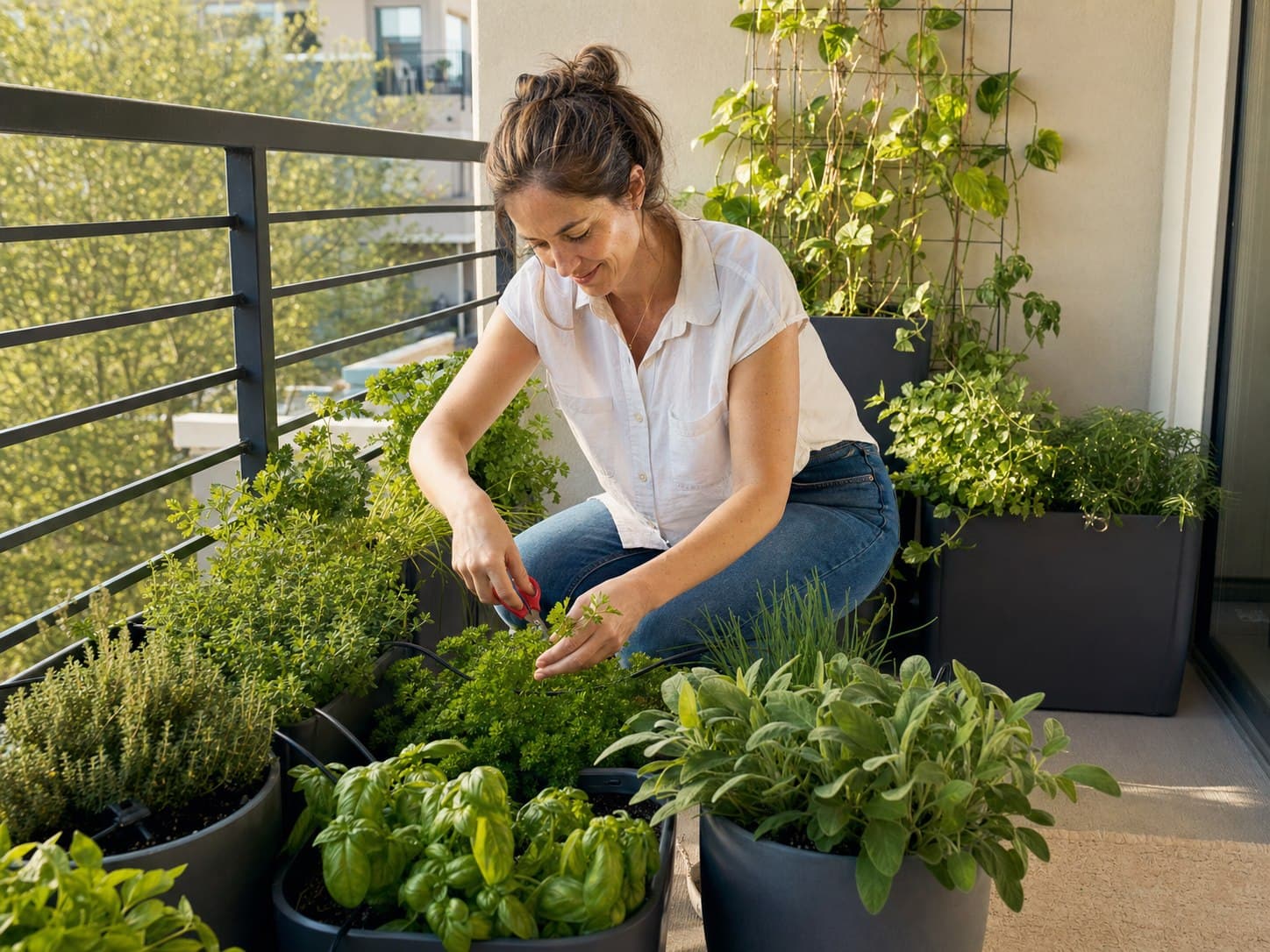 Conceptual image
Configured edible gardens for balconies, patios and compact household growing spaces.
Explore the Patio Herb Garden, Kitchen Garden or Connected Smart Garden.
Explore home systems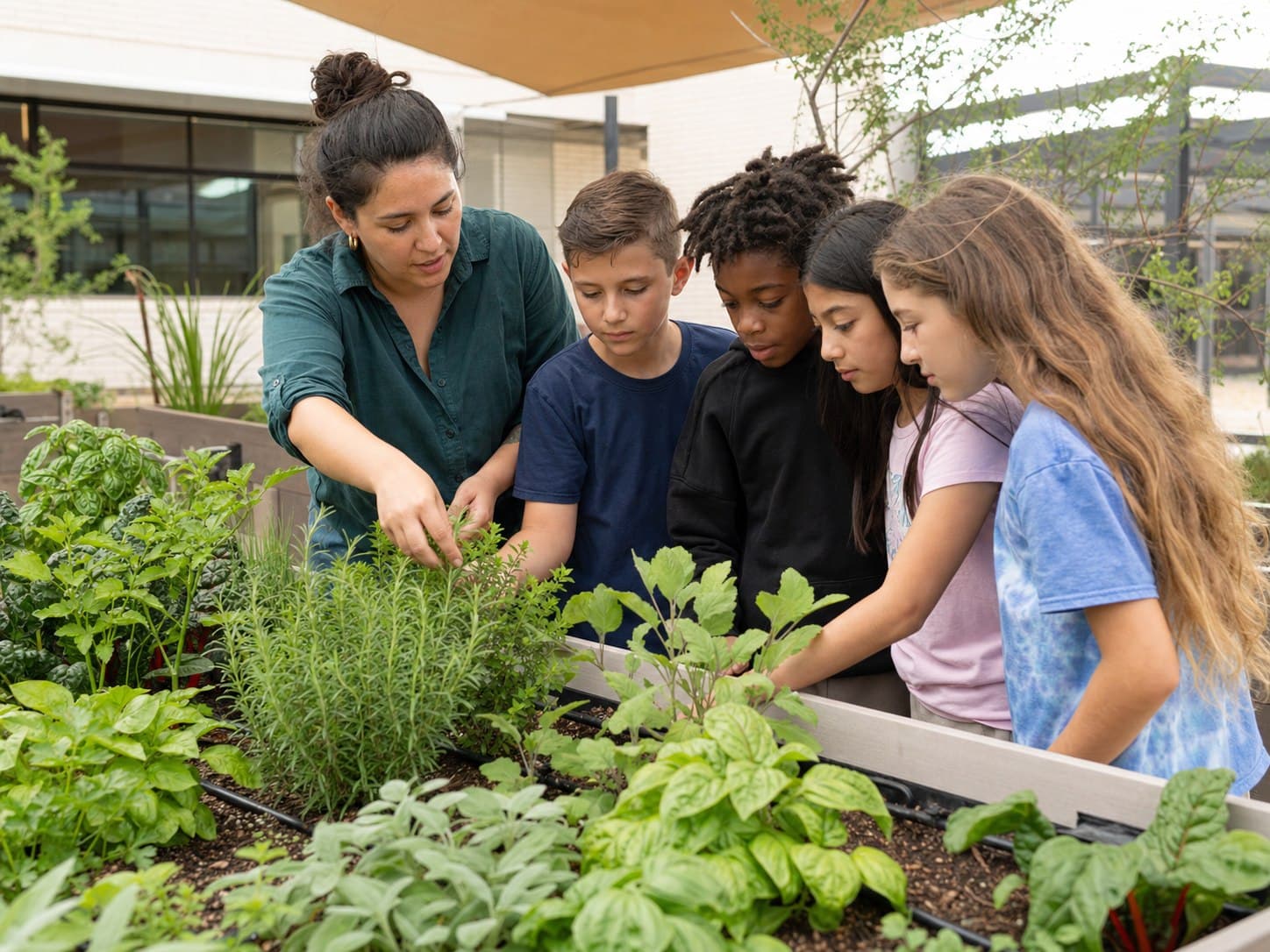 Conceptual image
Inquiry-led programs combining growing infrastructure, onboarding, education and clear care roles.
Request information about the School Garden Program.
Explore school programs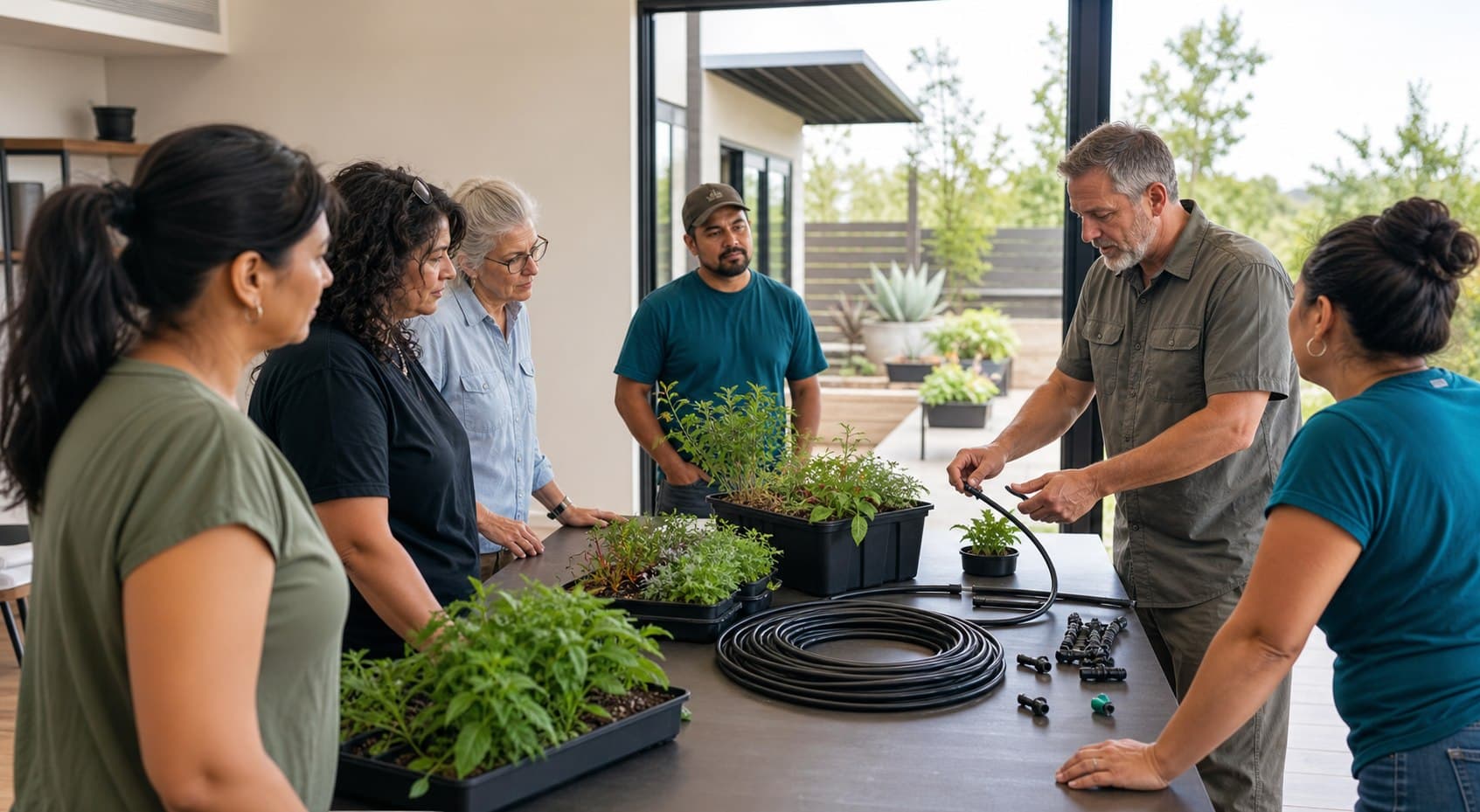 Conceptual image
Visible food-growing amenities with a defined operating plan for residents, teams or participants.
Begin with a site and operating assessment.
Discuss a shared garden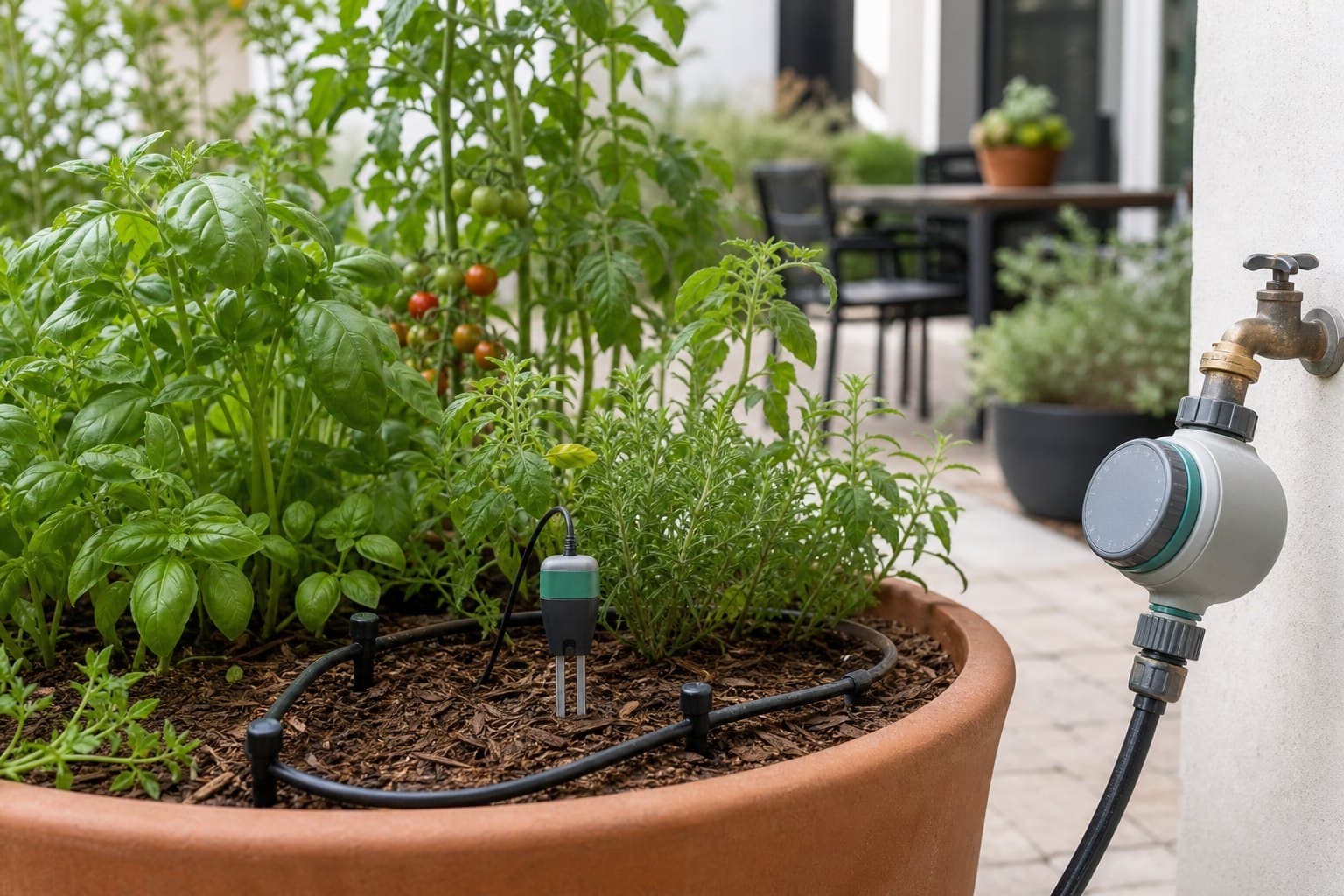 Conceptual image
Shared systems designed around water access, practical training and visible responsibilities.
Request a Community Garden System discussion.
Start a community inquiryFounder Johan Immelman brings more than 15 years of agricultural experience spanning irrigation, crop monitoring, operational systems and technology architecture.
Why MarketBrug evolvedTell us what you want, where you grow and how much sunlight the space receives. We will follow up when there is a suitable pilot path.
Prototype 1 is assembled and moving into practical garden testing.
The focus is compatible edible plants, easier reservoir care and useful guidance.
Seven questions help us understand basic fit before a detailed garden assessment.