

Can an Austin patio become a productive food garden?
Yes, an Austin patio can become a genuinely productive food garden, and for many Central Texas homeowners it’s one of the quickest, most rewarding ways to add fresh flavor to meals...
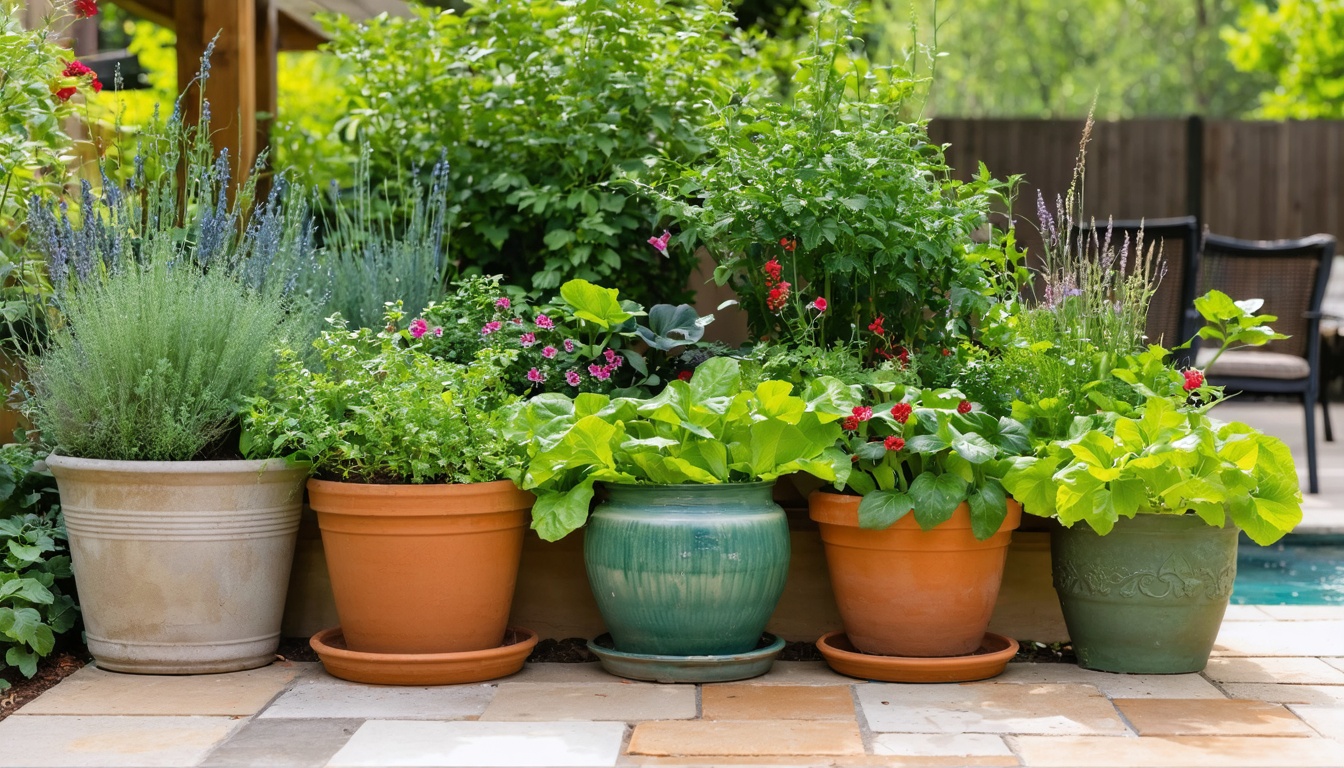
Yes, an Austin patio can become a genuinely productive food garden, and for many Central Texas homeowners it’s one of the quickest, most rewarding ways to add fresh flavor to meals, teach kids where food comes from, and make outdoor spaces more inviting. The trick is not to fight the climate but to design for it: choose the right containers, crops, and microclimate strategies so your small urban outdoor space yields often and reliably.
Austin summers are long, hot and sometimes dry, and patios can magnify heat. That sounds like a drawback, but it’s also an advantage: many warm-season vegetables thrive here if you protect roots, manage water carefully, and pick varieties that tolerate heat. Containers, vertical systems, and a few thoughtful design moves let you turn sun-drenched balcony corners and modest patios into consistent producers of herbs, greens, tomatoes, peppers and more.
Start by mapping sunlight and microclimates. Spend a few days observing where direct sun falls and for how long. South- and west-facing patios get the most afternoon heat; north-facing patios are cooler and better for shade-tolerant crops. Note reflected heat from light-colored walls, and whether nearby trees or buildings create useful afternoon shade. That simple map determines where to place large pots, trellises, and shade cloth.
Choose containers and soil that keep roots cool and healthy. Large pots win: a 15–20 gallon container buffers temperature swings and stores more moisture than a shallow pot. Use high-quality potting mix rather than garden soil, mix in compost for fertility and a bit of perlite or pumice for drainage. Consider self-watering containers or wicking beds to reduce daily watering and avoid stress during heat spikes. Light-colored containers reflect heat, and insulating a pot base with a tray or stand prevents hot patios from scorching roots.
Water intentionally. In Austin, morning deep-watering is generally best: it soaks the root zone and reduces evaporation. Drip irrigation or a soaker line with a timer gives the consistency containers need; hand-watering is fine if you can stick to a schedule. Mulch the soil surface with straw, shredded leaves, or mulch chips to retain moisture and keep temperatures lower. During heat waves, move smaller pots into partial shade or provide temporary shade cloth with 30–50% coverage during the hottest hours.
Pick crops and varieties that fit the seasons. Austin supports two primary growing windows: cool-season crops in late winter/early spring and again in fall, and warm-season crops from late spring through early fall. For a productive patio garden, mix dependable staples:
- Heat-loving crops: cherry tomatoes, peppers, eggplant, okra, Malabar spinach and sweet potatoes. Choose compact or determinate varieties for containers and train vining crops on a trellis to multiply yield in small footprints. - Cool-season crops: leaf lettuce, arugula, spinach, kale, mustard greens and radishes—these perform best in spring and fall when temperatures are milder. - Herbs and consistent producers: basil, rosemary, thyme, oregano and chives do exceptionally well in containers and double as fragrant design elements near seating areas.
Plan for succession and continuity. Instead of filling every pot with a single crop, stagger sowings and pair fast-maturing greens with slower crops. Once early-season lettuce finishes, replace it with a basil or pepper seedling. Small patio gardeners can harvest significant fresh food by timing plantings so something is always ready.
Use vertical space and multifunctional elements. A few trellises, wall pockets or stacked planters can multiply planting area without crowding your floor. Trellised cucumbers and pole beans free up floor space for larger pots. Consider raised planter-benches or bench boxes that serve as seating while hiding deeper root space and reservoirs beneath.
Keep plants healthy with steady nutrition and pest awareness. Containers use up nutrients faster than the ground, so plan light, regular feeding: a balanced slow-release fertilizer at planting, supplemented with liquid feeds (compost tea or a water-soluble fertilizer) during the season. Watch for common urban pests, aphids, flea beetles and grasshoppers, and favor physical controls and targeted organic products where possible. Good airflow between pots and regular leaf inspection prevents fungal problems that can flare in humid conditions.
Make the space inviting. A productive garden doesn’t need to look utilitarian. Mix flowering annuals and pollinator-friendly plants among edibles to attract bees and beneficial insects. Use attractive containers, stagger pot heights, and tuck herbs into paths and seating areas so the garden becomes part of your living space rather than an obligation. For families, include easy ‘kid plots’—a small, accessible container of cherry tomatoes or snap peas teaches children responsibility and yields quick rewards.
Expect realistic yields. A small patio won’t replace a full backyard vegetable patch, but it can produce a steady supply of herbs, salad greens, tomatoes and peppers, enough to add fresh flavor to many weekday meals and reduce grocery trips for certain items. With focused effort, a modest setup can supply abundant basil and lettuce, a few summer tomatoes weekly, and jars of preserved peppers and herbs for winter use.
Seasonal timing matters. Plant cool-season crops in late winter/early spring and again in fall for the best results. Move tender seedlings out after the last risk of frost and protect seedlings during unexpected cold snaps with cloches or temporary covers. Conversely, shield young plants from the earliest summer heat spikes with shade fabric until they establish stronger root systems.
Last, think in stages. Start small, three well-chosen containers (one herb pot, one salad/greens pot and one tomato/pepper on a trellis) teach you the rhythms of water, fertility and pests without overwhelming time commitments. As you gain confidence, add vertical supports, a larger planter, or a small wicking bed. The incremental approach saves money and builds toward a productive, low-stress system.
If you’re a Central Texas homeowner ready to begin, your next step is practical: measure your light, pick one sun-exposed corner, and choose a mix of one heat-loving plant and one cool-season green to rotate through the year. For design ideas, local plant sources, or seasonal calendars tailored to Austin, subscribe to the MarketBrug blog at https://www.marketbrug.com/blog for region-specific tips. If you’re an international garden-product company looking to introduce patio gardening solutions in the U.S., MarketBrug is based in Austin and can help you explore opportunities in the American market. Either way, with the right choices, your patio can move from decorative to delicious, one pot at a time.