

How to Grow Parsley and Chives on an Austin Patio: A Beginner’s Guide
A small patio in Austin can deliver more than a view, with a few practical choices it can supply a steady trickle of fresh herbs that lift everyday cooking. Parsley and chives are...
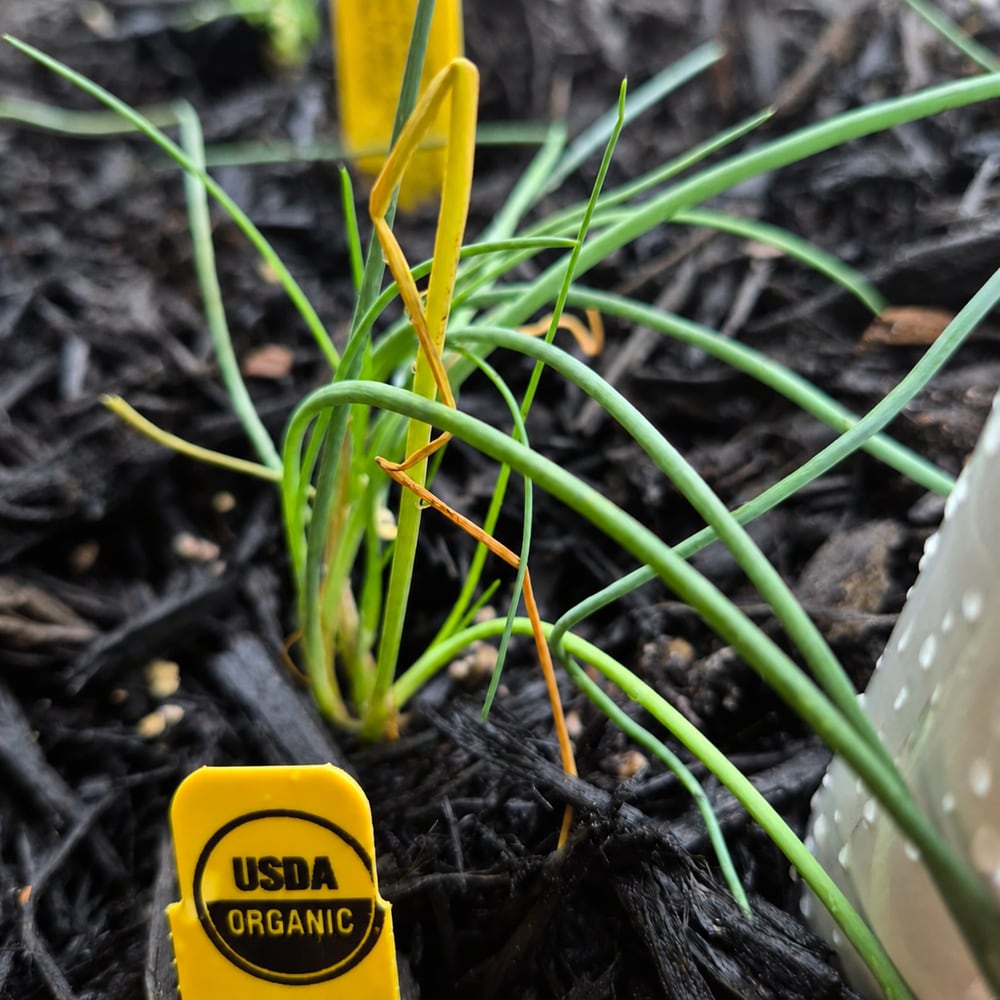
A small patio in Austin can deliver more than a view, with a few practical choices it can supply a steady trickle of fresh herbs that lift everyday cooking. Parsley and chives are ideal first crops for apartment dwellers: they’re forgiving in containers, useful in the kitchen, and well suited to Central Texas’ long growing season if you match planting times and microclimate strategies to the real conditions on your balcony. This guide walks you through the choices that matter most, containers, soil, sun, watering, and simple maintenance, so a beginner gardener can go from seed or nursery pot to a reliable herb harvest.
Start with the right expectations for Austin. Summers here are long and hot, patios can magnify heat, and afternoon sun is more intense than many herbs prefer. Parsley prefers cooler conditions and will perform best in spring, fall, and the milder edges of winter; chives are a hardy perennial that will tolerate heat if shaded during the hottest hours, but they’ll also respond quickly to a little extra care. The practical upside is that both herbs are compact and productive in pots, so you can concentrate attention where it matters rather than treating them like a yard full of plants.
Choose containers that match the roots and your watering routine. Parsley has a deeper root habit than chives and does best in pots at least 8–10 inches deep and 8–12 inches across. Chives need less depth, 6–8 inches is enough, and they thrive in a clump-style pot where you can divide them later. Use containers with good drainage; glazed ceramic, plastic, or lightweight fabric pots all work if they have holes and allow excess water to escape. In Austin’s heat, self-watering containers or double-potting to create a water reservoir can reduce daily watering and protect roots from temperature spikes.
Potting mix and amendments matter more in containers than in the ground. Use a commercial potting mix designed for containers rather than native soil. A simple blend that performs well is two parts potting mix, one part compost, and a handful of perlite or coarse sand to keep drainage open. Parsley likes a soil that is evenly moist and rich; chives prefer similar conditions but will tolerate leaner mixes. Aim for a slightly acidic to neutral pH and feed lightly with a balanced, water-soluble fertilizer every 4–6 weeks during the growing season, or incorporate slow-release granules at planting time for lower-maintenance care.
Planting from seed or transplant changes the timeline and patience required. Parsley seeds are notoriously slow; expect germination to take 2–4 weeks under good conditions, and pre-soaking seeds overnight or nicking them can speed things slightly. If you want quicker satisfaction, buy healthy nursery starts: they establish faster in pots and give you usable leaves in a few weeks. Chives germinate faster (often within 1–2 weeks) and are also readily available as transplants. When moving seedlings into their final pot, avoid burying crowns too deep and space chives clumps to allow air circulation.
Match sun and shade to the season. In spring and fall, both herbs will appreciate at least four to six hours of sun, morning sun is ideal. During the full heat of an Austin summer, move pots to an east-facing location or provide afternoon shade with a removable screen, a taller potted plant, or a piece of shade cloth. A little shelter from hot afternoon radiation keeps both parsley and chives from bolting (flowering and setting seed prematurely) and extends leaf quality through the season.
Water carefully and consistently. Containers heat up and dry out faster than ground beds. The rule of thumb is to keep the potting mix evenly moist but not waterlogged. In peak Austin heat, that may mean watering daily for small pots; larger pots hold moisture longer and may need water every 2–3 days. Insert your finger into the soil to the second knuckle, if it feels dry, water. Use a slow pour near the base rather than overhead watering to reduce leaf wetness and the risk of fungal disease. If you travel or want low-effort care, choose a self-watering container or set up a simple drip line on a timer.
Harvesting and encouraging new growth are straightforward. For parsley, cut outer stems first, snipping at the base and leaving the inner crown to supply the plant. Don’t remove more than a third of the foliage at once; regular harvesting encourages bushier regrowth. Chives respond well to frequent snipping, cut leaves down to about an inch above the soil and new shoots will follow. If chives begin to flower and you prefer leaf production over seeds, remove the flower stalks; however, leaving some blooms benefits pollinators.
Watch for common problems and respond simply. Parsley can yellow from inconsistent moisture, nutrient deficiency, or root crowding; repot into fresh mix or refresh the top layer with compost if growth slows. Chives may form dense clumps over a few years, divide them every 2–3 years by splitting the root ball in spring and replanting sections. Both herbs can get aphids or occasional fungal leaf spots; use a strong spray of water to dislodge pests, improve airflow between pots, and avoid overhead watering when humidity is high. Slugs and snails are more of a problem at ground level; raise pots or use copper barriers if you see feeding damage.
Respect the seasonal rhythm. Plant parsley in early spring and again in early fall for the best leaf quality; in Austin you can often overwinter parsley if temperatures stay mild and plants are in a protected spot. Chives planted in spring will be productive the same season and will typically return year after year if given enough winter chill and a sheltered position. In very hot summers, treat both as semi-annuals: rotate new plantings in fall and spring to keep fresh leaf supply.
Small-space tips that save time: group pots together to create a microclimate that reduces evaporation; keep a pair of larger pots rather than many tiny ones to reduce daily watering; and label pots with planting dates so you know when to divide or replace. A single sunny railing planter plus one deeper pot can deliver enough parsley and chives for most households and is easier to maintain than a dozen tiny cups.
Growing parsley and chives on an Austin patio doesn’t require specialist tools or a big time investment, it requires matching plant choices to the site, choosing the right containers and soil, and adopting a few seasonal habits. Start with a realistic plan (where the sun falls, how often you’ll water), give plants the space their roots need, and harvest regularly. With those basics in place you’ll turn a few pots into a reliable source of fresh flavor and a small, satisfying connection to the food on your plate.
For more practical, place-based advice on designing productive patios and small edible gardens in Central Texas, visit the MarketBrug blog at https://www.marketbrug.com/blog.