

MarketBrug Smart Gardens: Practical Edible Gardens for Central Texas Living
Central Texas offers a particular promise: abundant sun, long warm seasons and a culture that loves fresh food. But that promise comes with practical realities - summer heat waves,...
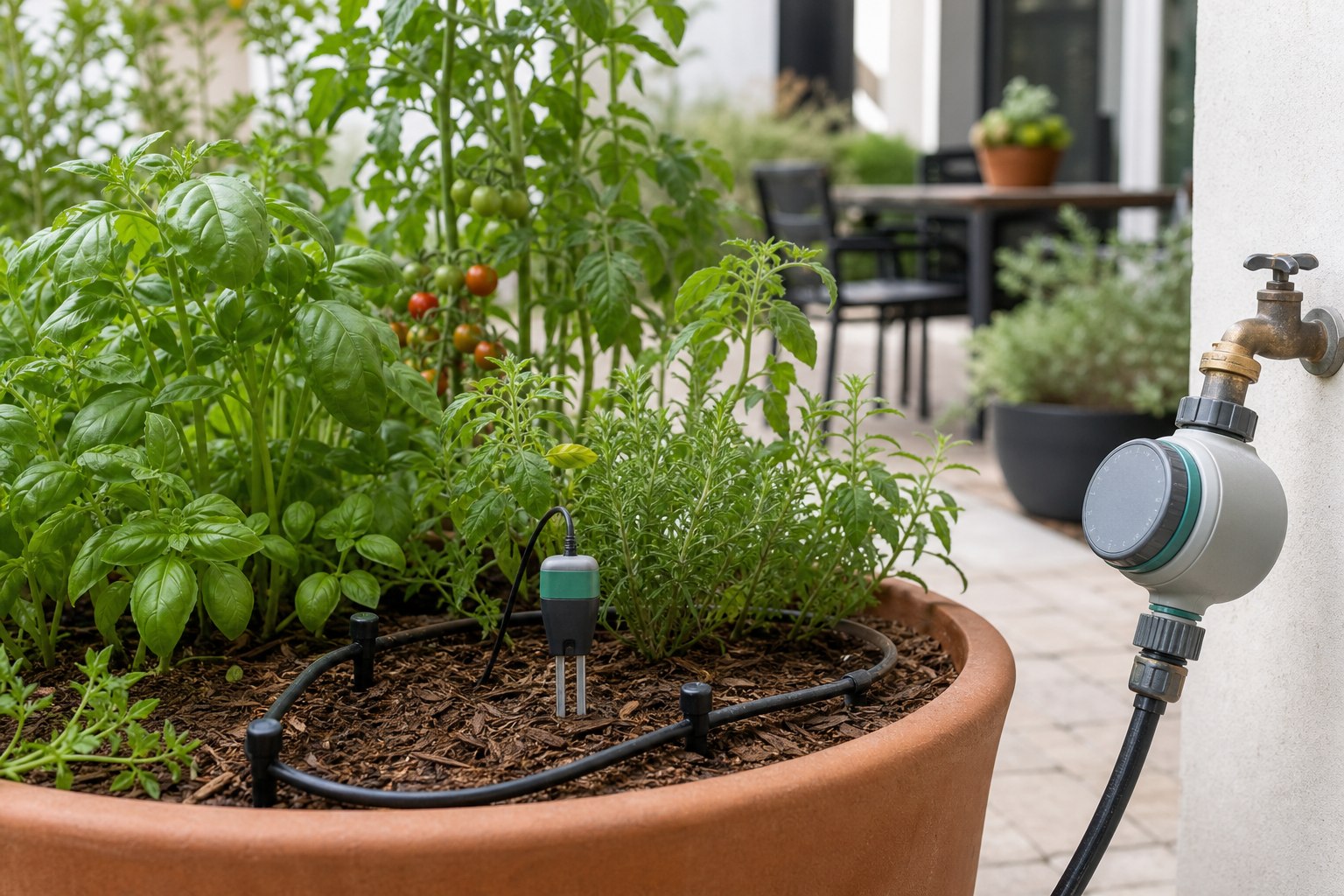
Central Texas offers a particular promise: abundant sun, long warm seasons and a culture that loves fresh food. But that promise comes with practical realities - summer heat waves, fickle rainfall and urban spaces that are often more concrete than soil. Whether you live in a single-family home with a sunny patio, manage an apartment complex, run a school or lead a community organization, successful edible gardening here depends less on idealized visions and more on smart, place-based design
MarketBrug Smart Gardens is about translating those realities into repeatable, low‑stress solutions. We don’t promise miracle seeds. Instead, we focus on knowing the climate, matching plant choices and systems to specific sites, and using simple technology to reduce the work and uncertainty that stop most would‑be growers after the first season.
Start with the site, not the seed. The first question for any Central Texas edible garden is microclimate. A north-facing balcony, a tree‑shaded courtyard and a rooftop with full sun are three very different growing environments. Take ten minutes to observe the site across a day and across seasons: where the sun moves, where heat collects, how wind moves, and where runoff or drip lines could be routed. These observations determine whether you should prioritize shade‑tolerant greens and herbs, hot‑weather fruiting crops, or a mix.
Containers and soil trump elaborate beds in urban and suburban settings. Containers are portable, reduce soil‑borne pest problems and let you create tailored soil mixes that drain well and hold enough moisture for hot spells. Use lightweight containers with good drainage, and aim for a soil blend of well‑aged compost, a light loam or potting base, and moisture‑retaining but breathable components such as coconut coir. Avoid straight garden soil in pots; it compacts and bakes, starving roots.
Water is the dominant constraint here. Small, infrequent watering creates stressed plants and hungry weeds. Install drip irrigation or soaker lines on a simple timer or smart controller, and pair those with mulches, organic mulches like straw, shredded bark or leaf compost, around container surfaces and beds to reduce evaporation. If you can, add a basic soil moisture sensor on a probe. Even an inexpensive sensor that tells you when soil is dry will cut down on over‑watering and save both time and water.
Plant choices should reflect the season and sun. For most Central Texas backyard growers, fall through spring can be the most productive stretch, lettuce, kale, collards, spinach (or its heat‑tolerant cousins), radishes, carrots and many herbs flourish as temperatures moderate. Summer requires a different strategy: focus on heat‑tolerant crops like okra, eggplant, sweet potatoes, peppers and certain beans, and choose tomato varieties bred for high temperatures (examples include Heatmaster and Solar Fire). Use shade cloth to reduce afternoon heat on exposed patios and consider succession planting so you’re not replacing entire beds at once.
Design for resilience and low maintenance. In a community garden, schoolyard or a workplace courtyard, choose modular raised beds and container arrays that are easy to replace, move and repair. Add a layer of protective thinking: a simple shade structure for midsummer, sturdier cages for tomatoes and peppers, and physical barriers when wildlife is a hazard. For schools and community programs, prioritize accessibility, raised beds at wheel‑chair height, clear paths, and durable, low‑toxicity materials.
Pests and diseases are part of gardening, but you can keep them manageable without resorting to heavy chemical use. Encourage beneficial insects with small pollinator plantings, native salvias, coneflowers and black‑eyed Susans do well here and can live alongside vegetable beds. Practice crop diversity and rotation in beds, remove diseased foliage promptly, and use physical controls (row cover, collars, hand‑picking) where possible. For stubborn problems, targeted organic controls such as insecticidal soaps or neem oil are usually effective when used correctly.
Smart technology belongs where it reduces friction, not where it complicates the job. Soil moisture probes, a weather‑aware irrigation controller and simple app‑based monitoring turn recurring chores into a few strategic checks each week rather than daily maintenance. For small indoor or winter setups, compact LED grow lights and timed fans can make a huge difference for seed starting or herbs on a dim balcony. MarketBrug approaches technology as a complement: the goal is to make gardens reliable for busy people, not to create another gadget that requires daily attention.
Community and workplace gardens need clear operating rules and simple schedules. For property managers and employers, edible gardens are an amenity that can increase tenant or employee engagement, f they’re well maintained. Shared responsibilities, a watering calendar tied to automatic irrigation, and a lightweight maintenance contract with a local gardener or vendor keep spaces productive and attractive. Schools benefit most from seasonal, curriculum‑linked projects: a fall planting that becomes the basis for a nutrition or science lesson plan, and a winter harvest that feeds a cafeteria program.
Variety suggestions for Central Texas, by season: in cooler months, opt for lettuces, kale, collards, mustard greens, carrots, beets and broad‑leaf herbs like parsley and cilantro. In the hot months, plant okra, sweet potatoes, malabar spinach, heat‑tolerant peppers and certain beans. Tomatoes require attention to variety and placement; try heat‑tolerant cultivars and plan for afternoon shade where possible. Herbs like rosemary and thyme tolerate drought and can be anchors in mixed containers.
For international garden‑tech companies and product makers, Central Texas represents a telling test market: strong sunlight, unpredictable rainfall, and a wide mix of urban and suburban growing conditions. MarketBrug’s base in Austin gives us a practical vantage point: we represent companies in customer meetings, pilot projects and partnership discussions here, helping align products with real user needs and local installers. We can introduce technology providers to community partners, schools and property managers who need reliable, low‑maintenance solutions and who will provide candid feedback for product refinement.
Practical edible gardening in Central Texas is achievable when you combine local observation, right‑sized infrastructure, and modest technology that reduces the daily workload. Whether you’re a homeowner looking to get more consistent harvests from a small patio, a property manager seeking a tenant amenity, or a school planning a learning garden, the best results come from designs that fit the site and the people who will care for it.
If you’re exploring an edible garden pilot, technology partnership, or community program in Central Texas, MarketBrug can help connect the dots, introducing appropriate technologies to local partners, helping structure pilots, and representing your interests in the region. Learn more at https://www.marketbrug.com/blog or reach out through our contact page to discuss how a practical, smart garden approach can work where you live and work.