
Which South African Products Have the Best U.S. Export Potential in 2026? A Practical Guide for Food and AgTech
For South African exporters and AgTech innovators sizing up the United States in 2026, the opportunity is real but selective. The U.S. market is large and varied: from premium spec...
For South African exporters and AgTech innovators sizing up the United States in 2026, the opportunity is real but selective. The U.S. market is large and varied: from premium specialty grocery aisles and natural-food channels to large food manufacturers and a fragmented but fertile landscape of regional growers. Success comes to companies that match product strengths with the right U.S. buyer, manage regulatory and logistics frictions early, and present a credible local presence from day one. This article lays out the product categories with the clearest commercial potential today, the practical barriers you must clear, and a pragmatic route to test and scale without immediately opening a U.S. office.
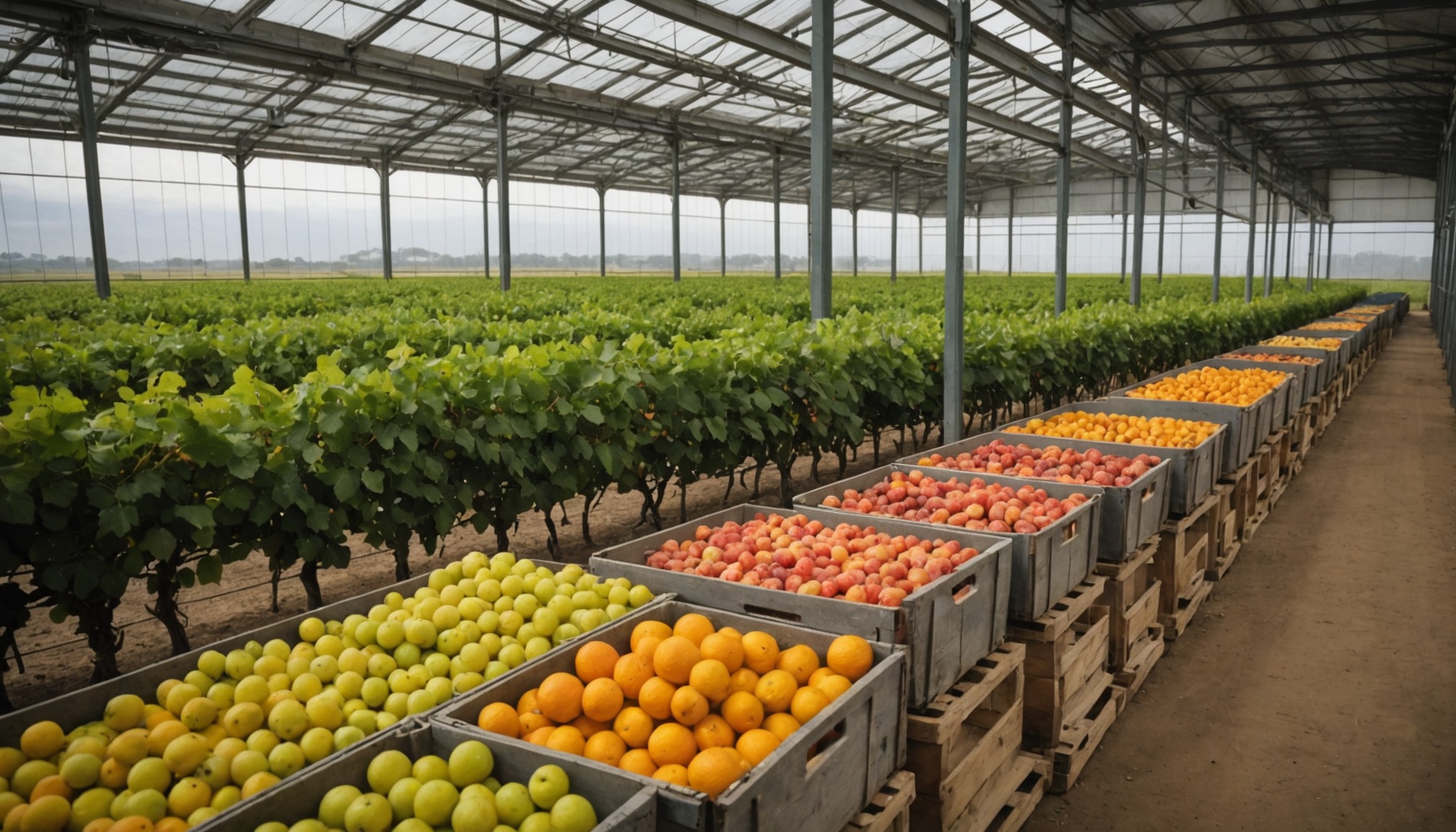
South African premium foods remain the headline story. Macadamia nuts, specialty citrus, rooibos, boutique wines, and well-positioned value‑added snacks continue to resonate with American buyers who pay for origin, provenance and consistent quality. Macadamias are a particularly strong fit: demand in the U.S. for high-end nuts and nut ingredients continues to grow across retail, confectionery and ingredient channels. South African producers that can guarantee supply windows, consistent kernel sizing, and on-time shipments will find receptive importers and ingredient buyers.
Citrus — especially late-season and specialty varieties — is another natural match. U.S. produce buyers are increasingly strategic about extending the seasonal shelf with high-quality imports, and South Africa’s counter-season advantage matters. That said, fresh produce comes with strict phytosanitary inspection, cold‑chain and packaging expectations; partners who understand APHIS rules, fumigation requirements and importer relationships will close the gap between interest and accepted shipments.
Rooibos and functional botanicals have been climbing the value chain. American consumers are familiar with herbal teas and are open to functional claims when supported by transparent labeling and supply-chain traceability. Rooibos can enter multiple pathways: as a branded finished tea, as an ingredient for beverage manufacturers and nutraceutical blends, or as an extract for ingredient suppliers. Success here depends on regulatory clarity around any health claims and reliable quality documentation.
For packaged foods, think premium, shelf-stable, and story-driven products that travel well. Biltong and other curated savory snacks have niche but growing appeal in specialty and online channels when producers present clean labeling, clear provenance and predictable supply. Similarly, value‑added dried fruit, freeze‑dried products and premium sauces or marinades that showcase South African flavors can attract buyers in both retail and foodservice — provided they meet U.S. labeling, allergen and shelf-life standards.
Wine remains a visible export category but one that requires a tailored strategy. The U.S. is large and competitive; South African wines with distinct varietal stories, sustainable certification or single-estate provenance can win placements, especially through craft importers and sommeliers. However, volume brands face heavy price competition and demanding distributor expectations for marketing support.
AgTech offers a complementary, higher-margin route into the U.S. market. Solutions that address water management, soil health analytics, pest and disease monitoring, and cold-chain optimization are especially relevant. U.S. growers and integrators value proven pilots, measurable ROI and clear technical support. Rather than chasing national rollouts, build case studies with regional cooperatives, irrigation districts or forward-thinking growers. Technology that can be deployed as a pilot with minimal regulatory complexity and clear cost/benefit signals will attract OEM partners and distributors.
Regulatory and operational realities are the gatekeepers. For food exporters, FDA food facility registration, prior notice requirements, proper labeling compliant with the Nutrition Facts panel and ingredient listing, and, where applicable, USDA or APHIS phytosanitary approvals are non-negotiable. Organic claims must align with the U.S. NOP standard or be certified by an accepted equivalency partner. For AgTech vendors, IP considerations, data privacy for farm data, and state-level procurement rules can shape deployment approaches.
Logistics matter more than most producers expect. Cold-chain reliability, container availability, customs clearance times, and last-mile distribution costs drive landed cost — and American buyers will price accordingly. Pack size and UPC/GTIN readiness are practical details that speed buyer acceptance. Consider co-packers, U.S.-based consolidation hubs, or third-party logistics partners to reduce complexity while you establish demand.
Channel choice determines speed and margin. Specialty importers and natural-food distributors are faster paths for premium, origin-driven items; they bring category knowledge and buyer relationships but expect margins and marketing support. National grocery entry requires scale, high consistency and stronger promotional budgets. Ingredient sales to manufacturers demand technical documentation, consistent batch quality, and sometimes local warehousing. Online direct-to-consumer tests can prove a concept quickly, but they also expose you to customer service, returns and marketing costs that many exporters underbudget.
A practical, staged approach reduces risk. Start with a tightly scoped product line and a small set of U.S. buyers. Validate demand with pilot shipments, secure importer/distributor relationships, and invest in the compliance documentation buyers will ask for first: labels, certificates of analysis, shelf-life studies and phytosanitary paperwork. Use regional launches (California or Florida for produce and specialty natural products; Texas as a commercial hub for wider B2B testing) to learn logistics and buyer behavior before scaling nationally. In AgTech, run local pilots with clear measurement plans and scale via state-level partners or input suppliers.
Quick wins often look like: partnering with a specialty importer to place retail listings in 10–20 stores, supplying ingredient samples to a U.S. food manufacturer for small-scale co-manufacture, or demonstrating an AgTech pilot on a regional farm with documented yield or cost benefits. These proof points turn abstract interest into tangible references that accelerate distributor conversations and buyer trials.
You do not need a full U.S. office to win customers, but you do need a credible U.S. front. Buyers reward immediacy, professional terms and a named local contact. MarketBrug helps companies bridge that gap by representing exporters in customer meetings, trade shows and partner discussions in the U.S., providing a local commercial face without the overhead of a full American operation. If you want a practical conversation about which of your products are ready for a U.S. pilot and how to structure the first shipments and partner agreements, we can help you map a short, testable path to market.
Entering the U.S. is not a single leap but a series of disciplined tests. South African macadamias, specialty citrus, rooibos, premium packaged foods and focused AgTech solutions present some of the clearest opportunities in 2026. Match those product strengths with the right buyer, clear regulatory readiness, and tight logistics planning, and you move from theoretical potential to repeatable sales. If you’d like to discuss a practical pilot plan for your catalog or technology, visit our blog for more resources or contact MarketBrug to start a structured U.S. market test.