

Why Austin, Texas Has Become One of America's Fastest Growing Manufacturing Hubs
Austin’s transformation from a technology and music center into one of the nation’s fastest-growing manufacturing hubs didn’t happen by accident. Over the past decade the region ha...
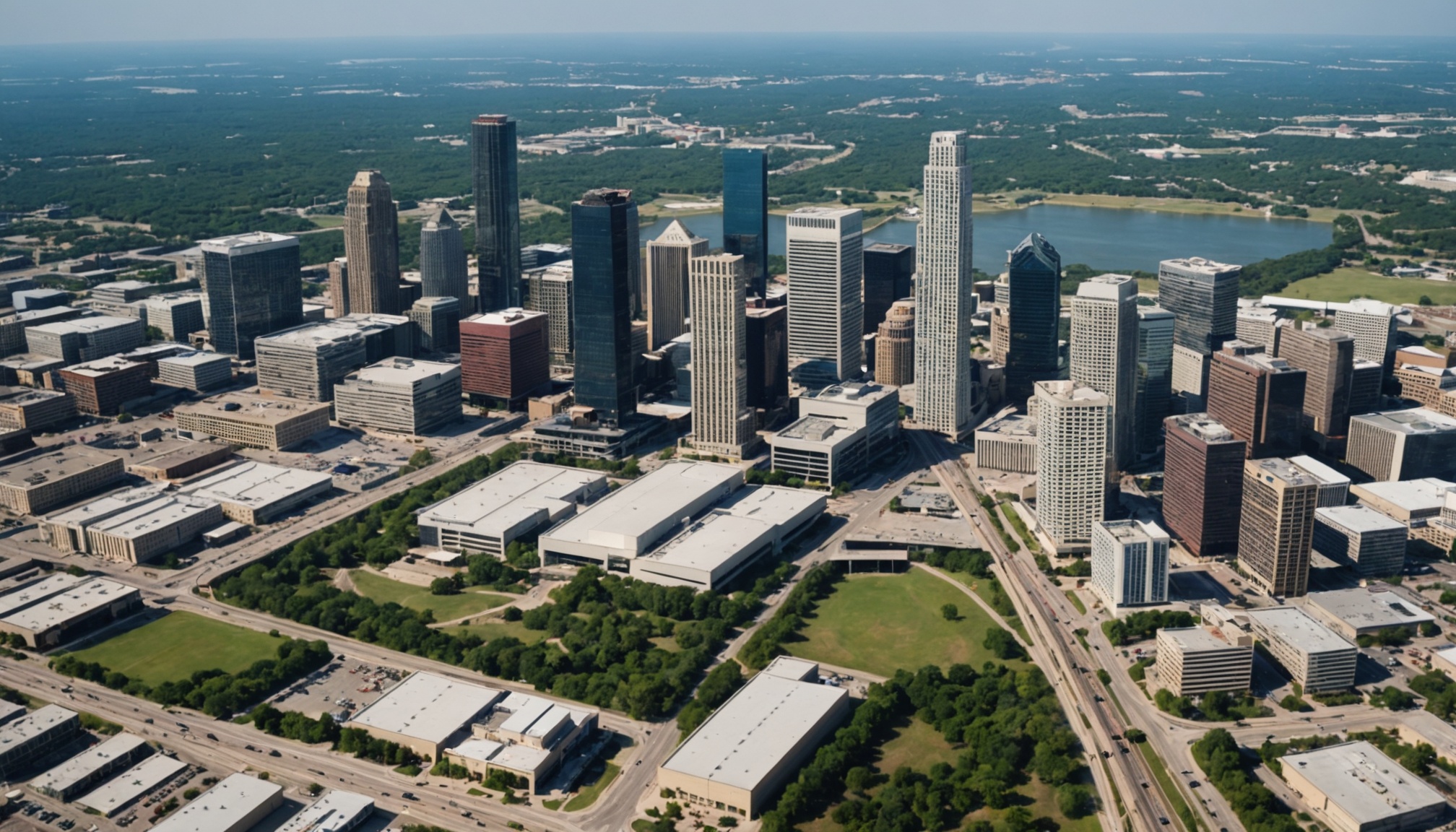
Austin’s transformation from a technology and music center into one of the nation’s fastest-growing manufacturing hubs didn’t happen by accident. Over the past decade the region has attracted large-scale factory investment and a dense cluster of advanced manufacturing activity — from semiconductors and electric vehicles to advanced components, robotics and precision suppliers. Several durable advantages explain why manufacturers are choosing Austin today.
Key drivers
1) Established semiconductor and advanced manufacturing anchors Austin already hosts major semiconductor and electronics employers that create a deep supply chain and skilled workforce. The region’s long history in chips and hardware — including legacy companies that built local engineering talent — gives new entrants a ready pool of experienced workers, suppliers and service providers.
2) Large, growing talent pipeline The University of Texas at Austin, along with regional community colleges and technical schools, produces large numbers of engineers, technicians and applied-research graduates each year. Public–private partnerships and upskilling programs in the region help convert academic talent into factory-ready workers, making hiring and retention easier for high-tech manufacturers.
3) Strategic location and logistics Centrally located in Texas, Austin offers efficient links by road, rail and air to domestic and international markets. Proximity to major highways (including I‑35), Austin‑Bergstrom International Airport, and access to ports in Houston and Corpus Christi support imports and exports and shorten supply chains for heavy and time-sensitive goods.
4) Business climate and incentives Texas’ business-friendly environment — including no state personal income tax, pro-manufacturing regulatory policies and active economic development programs at the state and local level — reduces operating costs for manufacturers. Combined with competitive utility pricing and targeted incentives, these factors improve project economics for large capital investments.
5) Affordable land and scale-up capacity Compared with coastal manufacturing hubs, the Austin region still offers comparatively affordable land for large facilities and room to expand. This availability of contiguous sites is critical for auto-scale facilities, chip fabs and distribution centers that require significant footprint and utility capacity.
6) Energy and infrastructure advantages Texas’ large power grid, energy generation capacity (including natural gas and a rapidly expanding share of renewables), and investment in grid modernization help manufacturers secure the reliable energy supply necessary for high-demand operations such as semiconductor fabs and EV plants.
7) Vibrant innovation ecosystem and supplier networks A growing community of hardware startups, advanced materials companies, robotics firms and contract manufacturers has developed around Austin’s core tech and manufacturing employers. That supplier ecosystem shortens procurement cycles and enables rapid prototyping and iterative manufacturing — a big advantage for advanced and digital manufacturing.
8) Quality of life and talent attraction Austin’s cultural scene, outdoor amenities and reputation as a tech hub attract national talent. Even as housing costs rise, many companies report that Austin’s lifestyle draw helps in recruiting engineers and managers who might otherwise relocate to more expensive coastal cities.
What this means for manufacturers and investors
- Faster ramp-up: Access to experienced engineers and technicians reduces training time and speeds facility commissioning. - Lower total cost of operation: Favorable incentives, tax environment and energy pricing improve cash flow and capital returns compared with many coastal alternatives. - Strong supplier base: Local contract manufacturers, tooling shops and test-and-measurement providers shorten lead times and lower logistics costs. - Scalability: Availability of land and supportive local permitting environments make multi-phase expansions more straightforward.
Risks and things to watch
- Infrastructure strain: Rapid growth increases demand on housing, transport and utilities — companies should model for local capacity constraints and workforce commuting impacts. - Rising costs: Labor and real estate costs have been increasing as more firms relocate to Austin; long-term site economics should account for wage inflation and competitive talent markets. - Supply-chain concentration: As more firms cluster in the same sectors, supply-chain disruptions or regional policy changes could have amplified effects.
Conclusion
Austin’s rise as a manufacturing hub reflects a convergence of talent, anchor employers, business-friendly policy, physical infrastructure and quality of life. For companies planning expansions in advanced manufacturing — semiconductor fabs, EV production, precision components, or robotics — Austin offers compelling economics and a deep ecosystem. Investors and manufacturers evaluating new sites should weigh Austin’s capacity to scale alongside rising local costs and infrastructure demand, but for many the tradeoffs favor locating major new manufacturing operations in the region.