

Why Texas Is Becoming a Major Engineering and Industrial Hub
Texas has quietly — and sometimes not so quietly — reshaped the map for engineering, manufacturing and industrial investment. From energy to semiconductors, and from ports to rocke...
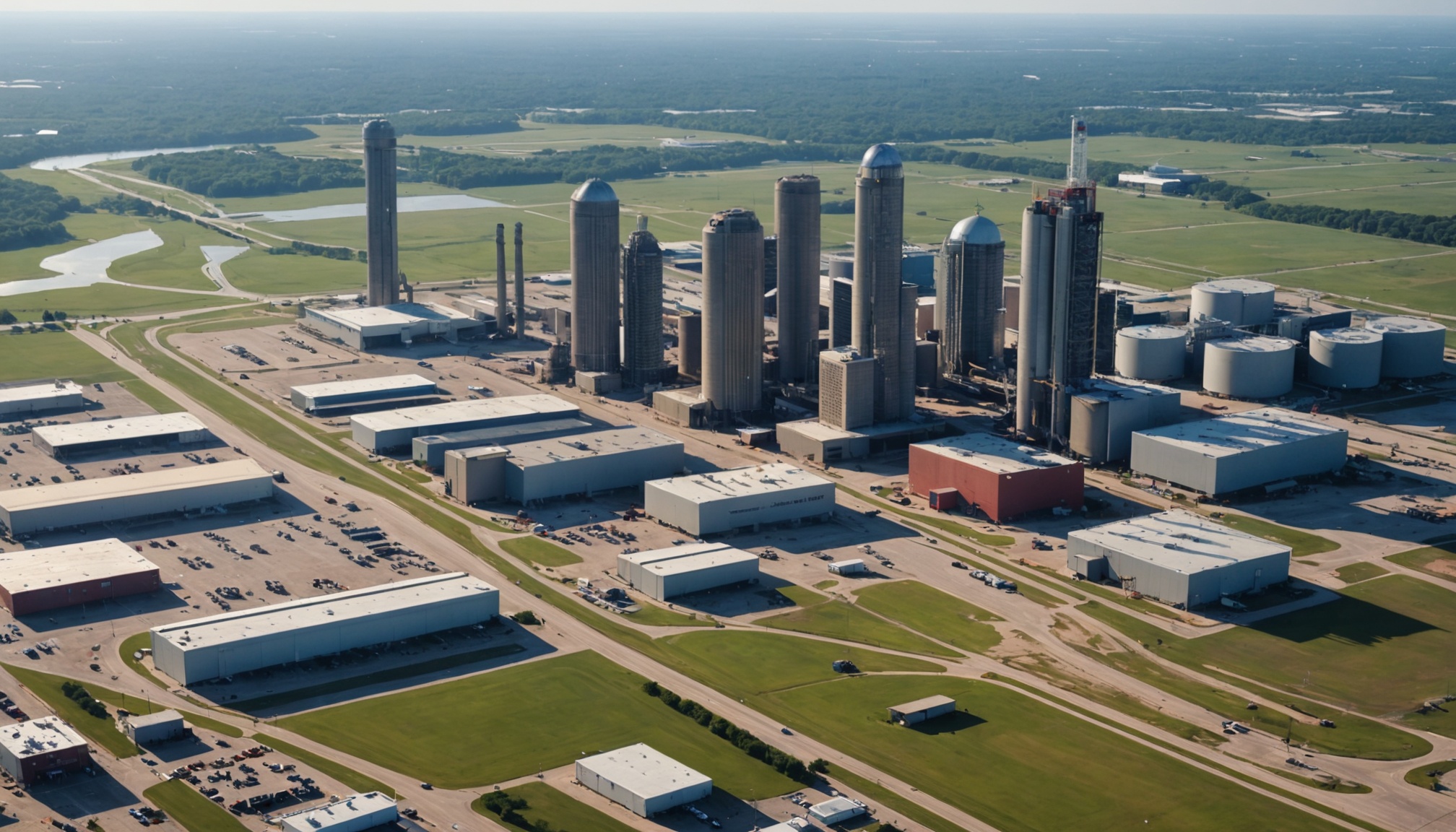
Texas has quietly — and sometimes not so quietly — reshaped the map for engineering, manufacturing and industrial investment. From energy to semiconductors, and from ports to rocket launches, the state’s mix of resources, policy and talent is creating a powerful draw for companies that design, build and scale heavy industry.
What’s driving the shift
- Business climate and incentives: Texas’s low-tax environment (no state personal income tax) and competitive incentives at the state and local level make capital-intensive projects more attractive. State and municipal economic development offices actively market site-selection packages and tax abatements that shorten payback timelines for large plants and R&D facilities.
- Deep energy ecosystem and infrastructure: Texas remains the nation’s energy powerhouse, with abundant oil and gas resources, a vast network of petrochemical plants and major refineries. That existing energy and chemical infrastructure provides both a supply chain and skilled labor pool for related industries, while the state’s grid and pipeline systems support large industrial power demands.
- Rapid growth in clean energy and electrification: Texas leads the U.S. in wind generation and is rapidly expanding utility-scale solar. That growth is helping manufacturers decarbonize operations and access lower-cost renewable power, an increasingly important factor for companies investing in high-energy-use production such as chips, batteries and electrochemical plants.
- Ports, logistics and central geography: Texas hosts some of the country’s busiest ports and an extensive freight network. The Port of Houston and the Port of Corpus Christi are major gateways for raw materials and exports, and the state’s highway and rail connectivity make it a natural logistics hub for North American supply chains.
- Growing talent pipeline: Texas is home to a large and expanding STEM talent pool thanks to major research universities and engineering programs (including The University of Texas, Texas A&M and Rice University). The state also attracts engineers and technicians relocating from coastal metros where costs are higher.
- Large tracts of industrial land and favorable permitting in many regions: Compared with high-cost states, Texas offers more availability of greenfield sites and often faster permitting timelines for industrial projects, particularly outside the most constrained urban cores.
Real-world momentum: companies and clusters
- Advanced manufacturing: Global manufacturers have announced large-scale investments in Texas for everything from semiconductors to EV components. These projects are creating supplier ecosystems and onshoring activity that further strengthen the state’s industrial base.
- Energy and petrochemicals: Major expansions and new petrochemical facilities continue to locate along the Gulf Coast, leveraging pipeline access and port connectivity for feedstocks and exports.
- Aerospace and space tech: Houston and South Texas have become central to space companies and launch infrastructure, creating engineering demand connected to propulsion, structures and ground systems.
- Logistics and distribution: Dallas–Fort Worth and other inland hubs are growing as distribution and fulfillment centers for manufacturers serving the U.S. market.
Why this matters for engineering and industrial firms
- Lower total cost of ownership: Competitive taxes, utility rates and incentives reduce operational costs for energy- and land-intensive facilities.
- Proximity to supply chains: Being near petrochemical clusters, ports and other manufacturers lowers inbound material costs and shortens lead times.
- Talent and innovation links: Access to major universities and a large technical workforce supports R&D, process engineering and next-generation product development.
- Regulatory predictability and support: State and local economic development agencies offer hands-on support for permitting, workforce training and incentives, smoothing the path from site selection to production ramp-up.
Practical steps for companies evaluating Texas
1) Map site needs to regional strengths: Identify which Texas regions align with your supply chain — Gulf Coast for petrochemicals and ports, Austin area for high-tech and R&D, Dallas–Fort Worth for logistics, South Texas for launches and energy projects.
2) Engage local economic development partners early: State and municipal agencies can provide incentives, labor market data and introductions to utilities and permitting authorities.
3) Tap university partnerships and training programs: Collaborate with local engineering schools on recruitment, internships and applied research to speed workforce readiness.
4) Factor in energy sourcing and resilience: Explore options for on-site generation and renewable power contracts to control energy costs and reduce carbon exposure.
5) Plan for community and environmental expectations: Large industrial projects benefit from early community engagement and clear plans for emissions, water use and local benefits.
Bottom line
Texas isn’t just growing — it’s deliberately building the economic conditions that make large-scale engineering and industrial projects viable. The combination of a pro-business regulatory environment, deep energy and logistics infrastructure, a growing STEM workforce and aggressive local incentives has created a self-reinforcing ecosystem. For manufacturers, energy companies and engineering-led firms looking to scale, Texas offers a compelling value proposition: lower operating costs, rich industrial networks and access to the people and infrastructure needed to move from prototype to production at scale.
If you’re evaluating new sites or planning a major industrial investment, Texas should be on your shortlist — and approaching the right local partners early will materially improve your chances of a smooth, fast ramp to production.